

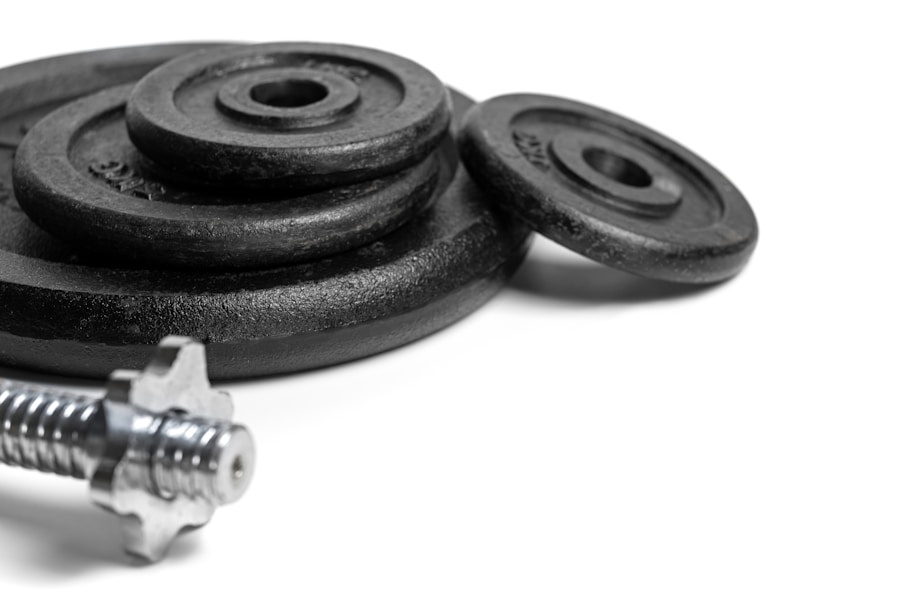
Gaining muscle mass, or hypertrophy, is a multifaceted physiological process that involves the strategic manipulation of several key variables. It’s not simply about lifting heavy objects; it’s about providing the body with the specific stimuli and resources it needs to adapt and grow. This guide will outline the evidence-based strategies essential for effectively increasing muscle mass, helping you unlock your inherent potential. Think of your body as a sophisticated factory: to produce a high-quality product (muscle), you need robust raw materials (nutrition), efficient machinery (training), and adequate maintenance (recovery).
The Foundational Pillars of Muscle Growth: Training Principles
To stimulate muscle growth effectively, your training regimen must adhere to certain principles that challenge the muscle fibers and provoke an adaptive response.
Progressive Overload: The Non-Negotiable Driver
Progressive overload is arguably the most critical principle for muscle hypertrophy. It dictates that to continue growing, your muscles must be continually challenged with increasing demands.
- Mechanisms of Progressive Overload: This can be achieved through several methods:
- Increasing Resistance (Weight): The most straightforward way. As you get stronger, you lift heavier weights for the same number of repetitions.
- Increasing Repetitions: Performing more repetitions with the same weight.
- Increasing Sets: Adding more sets to your workout for a particular exercise.
- Decreasing Rest Intervals: Reducing the time between sets, thereby increasing the density of your workout.
- Increasing Time Under Tension: Slowing down the eccentric (lowering) phase of a lift or pausing at peak contraction can increase the duration the muscle is under stress.
- Improving Form and Range of Motion: While not directly increasing the load, mastering an exercise with full range of motion can make it more challenging and recruit more muscle fibers.
- Practical Application: Track your workouts. Keep a log of the exercises, sets, repetitions, and weights used. Aim to incrementally increase one of these variables over time. Without progressive overload, your muscles will quickly adapt to the current stimulus and cease to grow, much like constantly driving a car at the same low speed won’t improve its top speed.
Volume and Intensity: Finding the Balance
Volume and intensity are interconnected variables that need careful consideration for optimal hypertrophy.
- Training Volume Defined: Training volume generally refers to the total amount of work performed, often calculated as sets × repetitions × weight. Research suggests that a moderate to high training volume, typically 10-20 sets per muscle group per week, distributed across 2-3 sessions, is effective for hypertrophy in most individuals.
- Training Intensity Defined: This refers to the effort exerted during a set, often expressed as a percentage of your one-repetition maximum (1RM). For muscle growth, training with weights that allow for 6-12 repetitions per set, performed to or close to muscular failure, is generally recommended. This range places sufficient mechanical tension on the muscle fibers. Training too light (high reps) might not provide enough mechanical tension, while training too heavy (very low reps) might limit total volume.
Exercise Selection and Program Structure: Building Your Blueprint
The exercises you choose and how you arrange them into a program are crucial for comprehensive muscle development.
- Compound vs. Isolation Movements: Compound exercises, such as squats, deadlifts, bench presses, and overhead presses, involve multiple joints and muscle groups. They allow you to lift heavier weights and stimulate a greater systemic anabolic response. Isolation exercises, like bicep curls or triceps extensions, target a single muscle group and are valuable for addressing weaknesses or bringing up lagging body parts. A well-rounded program incorporates both.
- Training Frequency: How often you train a muscle group matters. For natural trainees, training each muscle group 2-3 times per week generally yields better results than training it only once a week. This allows for more frequent opportunities to stimulate protein synthesis.
- Periodization: This involves systematically varying your training program over time to prevent plateaus and optimize long-term progress. It could involve changing rep ranges, exercise selection, or training intensity in cycles (e.g., a strength phase followed by a hypertrophy phase). While a simple linear progression may work for beginners, more advanced lifters often benefit from periodized approaches.
Fueling the Anabolic Engine: Nutritional Strategies
Muscle tissue cannot be built from thin air. It requires a consistent supply of specific nutrients. Think of nutrition as the bricks and mortar for your muscle factory.
Caloric Surplus: The Prerequisite for Growth
To gain muscle, you generally need to consume more calories than your body expends. This is known as a caloric surplus.
- Estimating Your Needs: Start by calculating your maintenance calories using an online calculator that considers your age, sex, weight, height, and activity level. Then, add a modest surplus of 250-500 calories per day. A larger surplus risks excessive fat gain, while too small a surplus may hinder muscle growth.
- Monitoring and Adjustment: Track your body weight and body composition. If you’re gaining weight too quickly (e.g., more than 0.5-1% of body weight per week for a beginner), reduce your caloric intake. If you’re not gaining weight or strength, cautiously increase your intake. This process requires patience and consistent monitoring.
Protein Intake: The Building Blocks
Protein is paramount for muscle repair and growth. It supplies the amino acids necessary for muscle protein synthesis (MPS).
- Recommended Intake: The consensus among sports nutritionists for individuals aiming to build muscle is typically 1.6-2.2 grams of protein per kilogram of body weight per day. For example, a 70 kg individual would aim for 112-154 grams of protein daily.
- Protein Sources: Prioritize high-quality, complete protein sources that contain all essential amino acids. Examples include lean meats (chicken breast, beef, turkey), fish, eggs, dairy products (Greek yogurt, cottage cheese), and certain plant-based options like soy and quinoa. Distribute your protein intake evenly throughout the day, aiming for 20-40 grams per meal.
Carbohydrates: Energy and Recovery
Carbohydrates are your body’s preferred energy source, particularly for high-intensity activities like weightlifting. They also play a role in muscle recovery and glycogen replenishment.
- Role in Performance: Adequate carbohydrate intake ensures you have the energy to perform challenging workouts and helps spare protein from being used for energy.
- Glycogen Stores: After a workout, your muscle glycogen stores are depleted. Consuming carbohydrates helps replenish these stores, which is crucial for subsequent training sessions. Aim for 3-5 grams of carbohydrates per kilogram of body weight per day, adjusting based on activity levels and individual needs. Opt for complex carbohydrates like whole grains, fruits, and vegetables, which provide sustained energy and micronutrients.
Fats: Hormones and Overall Health
Dietary fats are essential for hormone production, nutrient absorption, and overall health, including joint health.
- Essential Fatty Acids: Include sources of essential fatty acids (omega-3 and omega-6) which the body cannot produce on its own. Fatty fish, flaxseeds, chia seeds, and walnuts are good sources of omega-3s.
- Recommended Intake: Aim for 20-30% of your total daily calories to come from healthy fats. Prioritize monounsaturated and polyunsaturated fats found in avocados, nuts, seeds, and olive oil, and consume saturated fats in moderation.
The Unsung Hero: Recovery and Lifestyle Factors
Training and nutrition lay the groundwork, but recovery is where the actual muscle building takes place. Without adequate recovery, your efforts in the gym and kitchen can be severely hampered. Think of recovery as the curing process for fresh concrete – rush it, and the structure will be weak.
Sleep: The Anabolic Window
Sleep is often underestimated but is, in fact, one of the most potent anabolic drivers. During deep sleep, your body releases growth hormone and testosterone, crucial for muscle repair and growth.
- Recommended Duration: Aim for 7-9 hours of quality sleep per night. Consistency in bedtime and wake-up times can also improve sleep quality.
- Optimizing Sleep Environment: Create a dark, quiet, and cool sleep environment. Avoid screens emitting blue light for at least an hour before bed. Consider strategies like meditation or reading to wind down.
Stress Management: Cortisol’s Impact
Chronic stress can elevate cortisol levels, a catabolic hormone that can break down muscle tissue and hinder recovery.
- Stress Reduction Techniques: Incorporate stress-reducing activities into your routine:
- Mindfulness and Meditation: Practicing mindfulness can help regulate stress responses.
- Leisure Activities: Engage in hobbies and activities you enjoy to provide mental breaks.
- Adequate Rest Days: Don’t overtrain. Schedule planned rest days to allow your body to recover physically and mentally.
Hydration: More Than Just Thirst Quenching
Water plays a vital role in numerous physiological processes, including nutrient transport, temperature regulation, and joint lubrication. Dehydration can impair performance and recovery.
- Daily Intake: Aim to drink at least 3-4 liters of water per day, and more if you are exercising intensely or in a hot environment. Keep a water bottle handy and sip throughout the day. Proper hydration ensures your bodily functions operate at peak efficiency, creating an optimal environment for muscle growth.
Strategic Supplementation: Enhancing Your Efforts
While fundamental training and nutrition form the bedrock of muscle gain, certain supplements can complement these efforts. They are not magic pills but rather tools to optimize specific physiological processes. Supplements should be viewed as an adjunct, not a substitute, for sound training and nutrition.
Creatine Monohydrate: The Performance Enhancer
Creatine is one of the most researched and effective supplements for increasing muscle mass and strength.
- Mechanism of Action: Creatine helps replenish adenosine triphosphate (ATP), the primary energy currency of the cells, allowing for more intense and prolonged bursts of effort during resistance training. This can lead to increased training volume and, consequently, greater muscle growth over time.
- Dosage: A common protocol involves a loading phase of 20 grams per day for 5-7 days (divided into 4 doses) to quickly saturate muscle stores, followed by a maintenance dose of 3-5 grams per day. Some individuals opt to skip the loading phase and simply use the maintenance dose, which will still saturate stores over a few weeks.
Whey Protein: Convenient Protein Source
While not strictly necessary if dietary protein targets are met, whey protein powder offers a convenient and high-quality protein source.
- Benefits: Whey protein is rapidly digested, making it an excellent choice for a post-workout shake to kickstart muscle protein synthesis. It’s also useful for individuals who struggle to meet their daily protein requirements through whole foods alone.
- Types: Whey isolate and hydrolysate are generally lower in lactose and fat, appealing to those with sensitivities or stricter dietary goals.
Omega-3 Fatty Acids: Inflammation and Health
These essential fats offer a range of health benefits that indirectly support muscle growth.
- Role in Recovery: Omega-3s, particularly EPA and DHA found in fish oil, have anti-inflammatory properties that can aid in recovery from intense exercise and support overall joint health. Reduced inflammation can potentially lead to faster recovery and less muscle soreness.
- Dosage: A common recommendation is 1-3 grams of combined EPA and DHA per day from a high-quality fish oil supplement.
Monitoring Progress and Adapting Your Approach
Your journey to gaining muscle mass is not a static process. It requires continuous assessment and adjustment. Think of it as navigating a ship—you need to constantly check your bearings and adjust the rudder.
Tracking and Journaling: Your Performance Log
Regularly record your training details, including exercises, sets, reps, and weights. Keep a food diary for a period to ensure your nutritional intake aligns with your goals.
- Identifying Trends: This data allows you to identify trends in your strength, endurance, and body weight. Are you consistently getting stronger? Is your weight increasing at an appropriate rate?
- Troubleshooting Plateaus: If you hit a plateau in strength or muscle gain, reviewing your log can help you determine what needs to be adjusted—perhaps an increase in training volume, a change in exercise selection, or a slight bump in caloric intake.
Body Composition Assessment: Beyond the Scale
While the scale provides some information, it doesn’t differentiate between muscle and fat. Regular body composition assessments offer a more accurate picture of your progress.
- Methods: Options include caliper measurements, bioelectrical impedance analysis (BIA), or even more advanced methods like DEXA scans, though the latter may not be necessary for most. Even taking progress photos in consistent lighting can be a powerful visual indicator of change.
- Adjusting Goals: If you’re gaining too much fat, a slight reduction in your caloric surplus might be warranted. If you’re not seeing muscle gain, you might need to re-evaluate your training intensity or volume.
Consistency and Patience: The Long Game
Muscle growth is a slow process. It takes consistent effort over weeks, months, and even years to see significant changes. There will be good days and bad days, periods of rapid progress, and frustrating plateaus.
- Embracing the Process: Do not get discouraged by slow progress or temporary setbacks. Focus on adhering to your program and making incremental improvements. Celebrate small victories.
- Long-Term Vision: Understand that building a significant amount of muscle is a marathon, not a sprint. The individuals with the most impressive physiques are rarely those who chase quick fixes but rather those who are consistent and patient over the long haul. Remember, each repetition, each meal, and each hour of sleep contribute to the larger picture.