

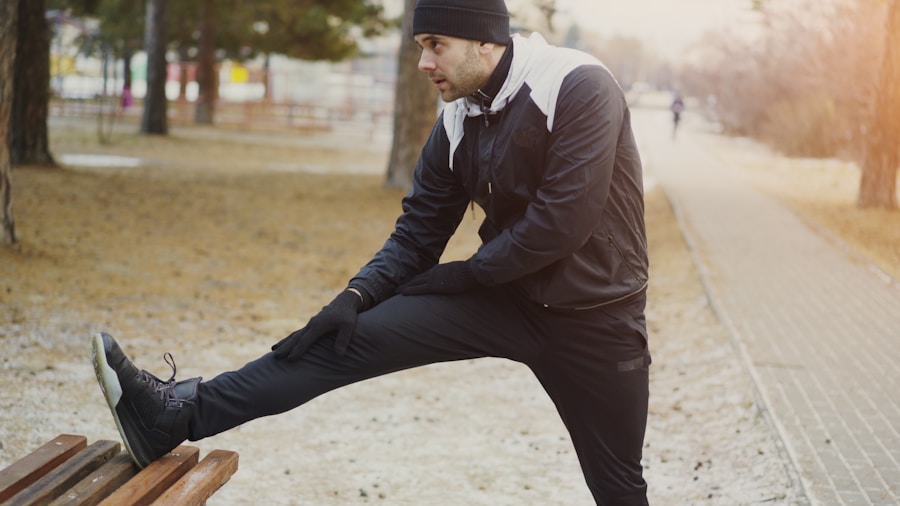
Preventing sports injuries is paramount for anyone actively involved in physical activities, from weekend warriors to professional athletes. The core principle lies in a multifaceted approach that addresses physical preparedness, proper technique, equipment, and recovery. By integrating these elements into your routine, you significantly reduce the risk of sidelining injuries, ensuring you can continue participating in the sports you love. Think of your body as a high-performance vehicle: neglect its maintenance, and you’re bound for a breakdown. These tips are your owner’s manual for sustained performance.
1. Prioritize Proper Warm-up and Cool-down Routines
Many athletes, especially those with limited time, tend to view warm-ups and cool-downs as optional or less important than the main activity. This is a critical error. Neglecting these phases is akin to starting a cold engine at full throttle – it stresses components unnecessarily and increases the likelihood of damage.
The Science Behind Warming Up
A proper warm-up elevates your core body temperature, increases blood flow to muscles, and improves the elasticity of connective tissues like tendons and ligaments. This physiological preparation makes your muscles more pliable and less susceptible to tears or strains when subjected to strenuous activity. It also stimulates your nervous system, improving coordination and reaction time, which are crucial for injury prevention in dynamic sports. Dynamic stretches, which involve controlled movements through a full range of motion, are far more effective at this stage than static stretching, which is better reserved for post-activity.
Designing an Effective Warm-up
An ideal warm-up typically lasts 5-10 minutes and includes light cardiovascular activity followed by dynamic stretches. For instance, before a run, you might start with a brisk walk, then move into leg swings, torso twists, and arm circles. The goal is to mimic the movements of your sport at a lower intensity, gradually bringing your body up to performance levels. For example, a basketball player might include gentle dribbling and passing drills, while a weightlifter might perform light sets of the exercises they are about to execute. The key is progressive intensity.
The Importance of Cooling Down
Often overlooked, the cool-down phase is just as vital. It allows your body to gradually return to its resting state, preventing blood pooling in the extremities and reducing post-exercise muscle soreness, known as delayed onset muscle soreness (DOMS). Slowing down gradually, rather than abruptly stopping, aids in flushing metabolic byproducts, such as lactic acid, from your muscles, which contributes to quicker recovery.
Effective Cool-down Strategies
A cool-down should involve 5-10 minutes of light cardio followed by static stretching. Static stretches, where you hold a stretch for 20-30 seconds, help improve flexibility and range of motion. Focus on the muscle groups that were heavily involved in your sport. For example, after running, stretching your hamstrings, quadriceps, calves, and hip flexors is beneficial. Gentle foam rolling can also be incorporated to release muscle knots and improve circulation. Think of it as carefully landing an aircraft after a high-speed flight; a smooth descent prevents undue strain.
2. Master Proper Technique and Form
Improper technique is a leading cause of sports injuries. When your body moves inefficiently or unnaturally, it places undue stress on joints, ligaments, and tendons, leading to overuse injuries or acute trauma. This is where the saying “practice makes perfect” morphs into “practice makes permanent” – if you practice incorrect form, you are ingraining detrimental movement patterns.
The Role of Coaching and Instruction
Seeking guidance from qualified coaches or instructors is invaluable. They possess the knowledge to identify biomechanical flaws and provide corrective feedback. Whether you’re lifting weights, swinging a golf club, or performing a yoga pose, a knowledgeable eye can spot subtle errors that you might not perceive. Investing in professional instruction is an investment in your injury prevention strategy. It’s like having a skilled mechanic diagnose issues before they become major problems.
Understanding Biomechanics
Each sport has specific biomechanical requirements. Understanding how your body should move optimally within those parameters is crucial. For example, in running, poor foot strike or excessive pronation can lead to knee pain (patellofemoral syndrome) or shin splints. In weightlifting, an arched back during a deadlift can strain the lumbar spine. Learning and consistently applying the correct form minimizes these risks. This often involves focusing on core engagement, proper joint alignment, and controlled movements.
Gradual Progression and Volume Management
Even with perfect form, rapidly increasing the intensity, duration, or frequency of your workouts can lead to injury. This concept is often referred to as “progressive overload,” but when applied too rapidly, it becomes “overload.” Your body needs time to adapt to new stresses. Incremental increases – typically no more than 10% per week in volume or intensity – allow your musculoskeletal system to strengthen and adapt. Pushing too hard, too fast, is like trying to build a skyscraper in a week; the foundations won’t hold. Listen to your body and respect its recovery needs.
3. Utilize Appropriate Equipment and Gear
The right equipment acts as a protective shield and an aid to performance, reducing the impact on your body and supporting proper movement. Ill-fitting or inadequate gear can not only hinder performance but also dramatically increase your risk of injury.
Footwear: Your Foundation
Your shoes are arguably the most critical piece of equipment for many sports. Different activities demand different types of footwear. Running shoes are designed to cushion impact and support foot mechanics, while basketball shoes provide ankle support and traction for lateral movements. Cleats for field sports offer grip on various surfaces. Wearing worn-out shoes or shoes inappropriate for your activity is a common culprit for injuries such as plantar fasciitis, shin splints, and knee pain. Regularly inspect your footwear for signs of wear and replace them when necessary. Think of your shoes as the tires on that high-performance vehicle; worn treads lead to poor handling and increased accident risk.
Protective Gear: Your Armor
Depending on the sport, various protective gear is essential. Helmets, shin guards, mouthguards, wrist guards, and knee pads are not optional accessories; they are vital for protecting vulnerable body parts from acute trauma. For instance, a cyclist without a helmet risks severe head injury, while a hockey player without a mouthguard is vulnerable to dental damage. Ensuring this gear fits correctly and is in good condition is paramount. A ill-fitting knee pad might offer little protection and even impede movement.
Specialized Equipment and Its Maintenance
From racket string tension to bike setup, specialized equipment also requires attention. A poorly adjusted bicycle can lead to back pain or knee issues. A tennis racket with improper grip size can contribute to elbow problems. Learning how to properly adjust and maintain your equipment, or having it professionally serviced, contributes significantly to injury prevention. Regular checks and maintenance are not just about prolonging the life of your gear; they are about protecting you.
4. Prioritize Rest and Recovery
In the pursuit of athletic goals, many individuals fall into the trap of believing that more is always better. However, recovery is where your body repairs itself, rebuilds muscle tissue, and adapts to the stress of training. Without adequate rest, your body remains in a state of fatigue, increasing susceptibility to overuse injuries, illness, and burnout.
The Science of Recovery
During exercise, muscle fibers undergo microscopic tears. It’s during rest that these tears are repaired and rebuilt stronger, a process known as supercompensation. Sleep, in particular, is a critical recovery tool, as it’s when most growth hormone is released, aiding in tissue repair. Chronic sleep deprivation impairs physical performance, immune function, and cognitive processes – all factors that heighten injury risk.
Active vs. Passive Recovery
Recovery isn’t always about complete inactivity. Active recovery, such as light cardio (e.g., walking, easy cycling) or gentle stretching, can promote blood flow, help remove metabolic waste products, and maintain flexibility without adding significant stress. Passive recovery involves periods of complete rest, adequate sleep, and strategies like massage or foam rolling to address muscle tightness. A balanced approach incorporating both active and passive recovery is generally most effective.
Nutrition and Hydration: Fueling Recovery
Just as a car needs the right fuel, your body requires proper nutrition and hydration for optimal recovery. Consuming adequate protein aids in muscle repair, while carbohydrates replenish glycogen stores (your primary energy source). Electrolytes and water are crucial for maintaining fluid balance and various bodily functions. Dehydration can impair performance, increase muscle cramps, and delay recovery, making you more vulnerable to injury. Consider your post-workout meal and hydration as a critical part of your training plan, not an afterthought.
5. Listen to Your Body and Seek Professional Help
Perhaps the most crucial, yet often ignored, injury prevention strategy is simply listening to your body. Your body provides subtle cues – aches, pains, stiffness – that indicate when something isn’t right. Ignoring these signals is like ignoring a check engine light; it rarely ends well.
Differentiating Soreness from Pain
It’s important to distinguish between normal post-exercise muscle soreness (DOMS) and actual pain. DOMS typically appears 24-48 hours after exercise, feels like a diffuse aching, and gradually subsides. Pain, on the other hand, is often sharper, localized, persistent, and might worsen with activity. Any pain that lingers, feels sharp, or impedes normal movement is a red flag. Pushing through pain can turn a minor issue into a chronic, debilitating injury.
The RICE Protocol for Minor Injuries
For minor aches and pains, the RICE protocol (Rest, Ice, Compression, Elevation) can be effective in the initial stages. Rest prevents further injury, ice reduces inflammation and pain, compression helps control swelling, and elevation further minimizes swelling. However, RICE is a first-aid measure, not a long-term solution.
When to Seek Professional Medical Advice
If pain persists, worsens, or is accompanied by swelling, bruising, or loss of function, it’s imperative to consult a healthcare professional. This could be a doctor, physical therapist, or sports medicine specialist. They can accurately diagnose the issue, recommend appropriate treatment, and guide your rehabilitation. Self-diagnosing and self-treating serious injuries can lead to prolonged recovery times or irreversible damage. Early intervention is key. A physical therapist, for example, can not only treat the current injury but also identify underlying biomechanical issues that may have contributed to it, helping you prevent recurrence. Remember, your body is your most valuable asset in sports; protect it with expert care when needed.