

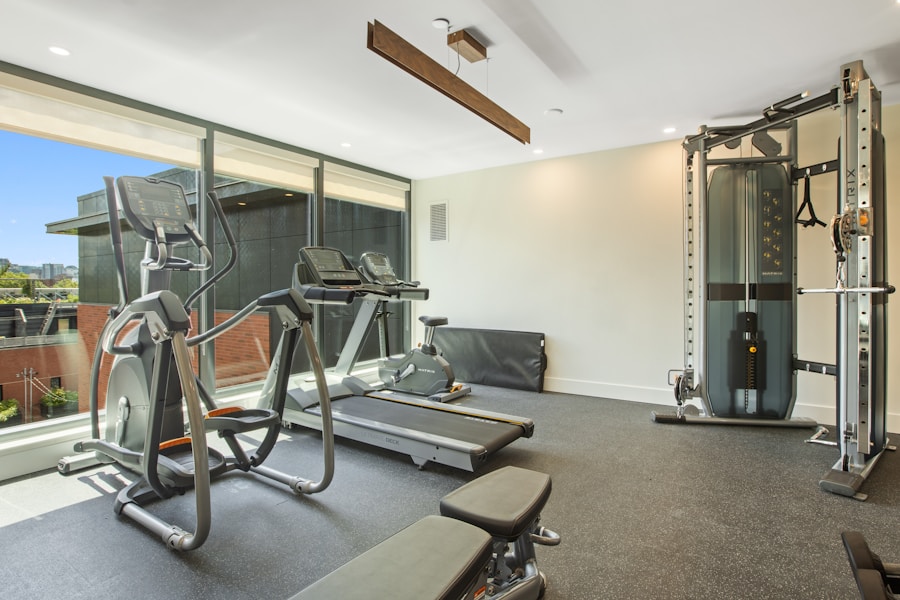
Deciding between working out at home or hitting the gym is a common crossroads for anyone embarking on or continuing their fitness journey. The truth is, there’s no single “better” option; the optimal choice hinges entirely on your personal circumstances, preferences, and the specific fitness goals you’re aiming for. Think of it like choosing a tool for a job – a hammer is great for nails, but useless for screws. Both home workouts and gym sessions are effective tools, but their application and efficiency vary. This article will break down the nuanced differences to help you make an informed decision, empowering you to build a workout routine that truly fits your life.
The Case for the Home Workout: Convenience as Your Personal Trainer
The allure of home workouts lies primarily in their unparalleled convenience. You can roll out of bed and into a workout with minimal transition time, eliminating travel, changing rooms, and waiting for equipment. This can be a significant advantage for individuals with packed schedules, young children, or those who simply prefer a more private exercise environment.
The Time Saver: Zero Commute, Maximum Sweat
Imagine reclaiming the minutes, or even hours, you spend commuting to and from the gym. These saved minutes can be reinvested directly into your workout, allowing for longer sessions or more rest between sets if needed. This efficiency can be particularly beneficial for those struggling to fit exercise into an already demanding day.
Cost-Effectiveness: Building Your Home Sanctuary
The financial aspect is another powerful draw for home fitness. While the initial investment in some equipment might be necessary, it often pales in comparison to ongoing gym membership fees. Over the long term, your home gym can become a significantly more budget-friendly option, especially when considering the cumulative cost of monthly payments.
Equipment Options: From Bodyweight to Boutique
Your home workout can be as simple as utilizing your own bodyweight for resistance, or it can evolve to include a range of equipment. Resistance bands, dumbbells, kettlebells, jump ropes, and even stability balls offer a diverse toolkit for a full-body workout. For those seeking more advanced options, items like adjustable benches, suspension trainers, or even compact cardio machines can transform a corner of your home into a formidable fitness space.
Privacy and Comfort: Your Personal Fitness Bubble
For some, the gym environment can feel intimidating. The comfort of your own home allows you to exercise without feeling self-conscious, focusing entirely on your form and effort. This can be particularly liberating for beginners who are still mastering new movements or for individuals who prefer a more introspective approach to their fitness.
Overcoming the “Boredom” Hurdle: Creative Solutions
One common concern with home workouts is the potential for monotony. However, this can be easily combatted by embracing the vast array of resources available.
Digital Fitness Platforms: A World of Variety
The digital landscape is a goldmine for home exercisers. Streaming services offer guided classes across every discipline imaginable – from high-intensity interval training (HIIT) and yoga to kickboxing and Pilates. These platforms provide expert instruction, motivational coaching, and constantly updated content, ensuring your workouts remain fresh and engaging.
Music and Podcasts: Fueling Your Focus
Curating a motivating playlist or tuning into an engaging podcast can transform your home workout from a chore into an enjoyable experience. The right soundtrack can elevate your energy levels and help you push through challenging sets, making the time fly by.
Potential Downsides of Home Workouts: Navigating the Challenges
Despite its advantages, the home workout environment isn’t without its potential pitfalls.
Lack of Accountability: The Siren Song of the Sofa
Without the external pressure of a public gym and scheduled classes, it can be incredibly easy to let your motivation wane. “Just one more episode” or “I’ll start tomorrow” can become a dangerous mantra if not carefully managed.
Limited Equipment and Space: Constraints to Consider
For certain types of training, particularly those requiring specialized or heavy equipment like Olympic lifting platforms or a wide variety of strength-training machines, a home setup might fall short. Limited living space can also present a physical constraint on the types of exercises you can perform.
Risk of Injury Without Proper Guidance: The Unseen Danger
While readily accessible, the lack of immediate professional supervision in a home setting can increase the risk of improper form and potential injury, especially for complex or heavy lifting exercises. This necessitates a greater reliance on self-education and meticulous attention to technique.
The Gym Experience: A Hub of Resources and Motivation
The gym offers a distinct environment characterized by dedicated equipment, professional staff, and a concentrated atmosphere of fitness. It can be a powerful catalyst for serious training and for those who thrive in a more structured, social setting.
The Power of Professional Equipment: Beyond Home Limitations
Gyms are equipped with a vast array of machines and free weights that are often impractical or too expensive for a home setup. This allows for a broader spectrum of training modalities, from advanced cardiovascular machines that track detailed metrics to specialized strength-training equipment that targets specific muscle groups with precision.
Strength Training Machines: Targeted Progress, Minimal Effort
Machines in the gym offer a controlled environment for building strength. They guide your movement, isolate muscle groups, and can be adjusted with precise increments, allowing for progressive overload tailored to your individual development. This can be particularly beneficial for beginners or those recovering from injuries.
Free Weights for Advanced Lifts: Unlocking Your Potential
The extensive selection of dumbbells, barbells, and weight plates in a gym provides the foundation for compound movements vital for building overall strength and muscle mass. Exercises like squats, deadlifts, and overhead presses, when performed with adequate weight and proper form, are cornerstones of a comprehensive strength program.
Expert Guidance and Supervision: A Safety Net for Your Progress
Gyms often provide access to qualified personal trainers and fitness instructors. This expertise is invaluable for learning correct form, developing personalized training plans, and receiving real-time feedback, which can significantly reduce the risk of injury and optimize your training effectiveness.
Personal Trainers: Your Dedicated Fitness Architect
A good personal trainer can be the difference between sporadic progress and consistent, sustainable gains. They can assess your current fitness level, identify your specific needs and goals, and design a program that is both challenging and safe.
Group Fitness Classes: The Camaraderie of Sweat
From spinning and Zumba to boot camps and yoga, group fitness classes offer a structured and often highly motivating way to exercise. The shared energy of a class can push you beyond your perceived limits, and the variety keeps your routine dynamic.
The Social Aspect: A Community of Like-Minded Individuals
For many, the gym is more than just a place to work out; it’s a social hub. Being surrounded by others who are also pursuing their fitness goals can provide a sense of community and shared purpose, fostering accountability and encouragement.
Motivation Through Observation: The Butterfly Effect of Effort
Simply being in an environment where others are actively engaged in physical exertion can be a powerful motivator. Witnessing the dedication of others can inspire you to push harder and stay committed to your own fitness journey.
Building Connections: Friendships Forged in Sweat
The gym can be a place where friendships are formed. Shared workouts, post-exercise chats, or simply recognizing familiar faces can create a supportive network that enhances your overall gym experience.
Potential Downsides of Gyms: The Other Side of the Coin
The gym environment, while beneficial, also comes with its own set of drawbacks.
Cost of Membership: The Ongoing Investment
Gym memberships represent a recurring financial commitment. While the value can be immense, it’s a cost that needs to be factored into your budget, and for some, it may be a significant barrier.
Time Commitment: Travel and Waiting
The inherent nature of a gym means you have to travel there, potentially wait for equipment to become available, and then travel back. This can add considerable time to your fitness routine, making it less feasible for those with extremely limited time.
Intimidation Factor: The Gym-Phobia
As mentioned earlier, some individuals find the gym setting intimidating. The perception of judgment, the sheer amount of equipment, and the presence of experienced individuals can be overwhelming for newcomers.
Germs and Hygiene: Shared Spaces, Shared Concerns
Gyms are shared spaces, and while most facilities maintain high hygiene standards, the potential for the spread of germs is a consideration. This might be a particular concern for individuals with compromised immune systems or those who are generally more germ-conscious.
Matching Your Goals to the Environment: A Strategic Approach
Ultimately, the “better” choice between home and gym workouts is a deeply personal one, tied directly to your individual fitness aspirations.
Weight Loss: Synergizing Cardio and Caloric Deficit
Both home and gym environments can effectively support weight loss. The key is to create a caloric deficit through a combination of increased physical activity and a balanced diet.
Home Cardio: Bursting Circuits and Urban Jogging
At home, you can achieve a significant cardiovascular workout through online fitness programs, jump roping, or even energetic clean-up sessions that get your heart rate up. If your neighborhood is safe and amenable, outdoor activities like jogging or cycling can also be excellent cardio options accessible from your doorstep.
Gym Cardio: Precision Machines and Variety
The gym offers a wider array of cardio machines, such as treadmills, ellipticals, stationary bikes, and rowing machines, each providing different levels of intensity and impact. This variety can help prevent boredom and ensure a well-rounded cardiovascular challenge.
Muscle Gain: Progressive Overload is Key
For significant muscle hypertrophy, access to progressive overload is crucial. This means consistently increasing the resistance or intensity of your workouts over time.
Home Strength: Dumbbells, Bands, and Bodyweight Mastery
Building muscle at home is achievable with a well-chosen set of dumbbells or resistance bands. Mastering advanced bodyweight exercises like pull-ups (with assistance if needed) and pistol squats can also lead to substantial strength gains.
Gym Strength: The Kingdom of Iron
The gym’s vast selection of barbells, weight plates, and specialized strength machines offers the ultimate environment for progressive overload. The ability to lift heavier weights and utilize a wider range of exercises provides a more direct pathway to significant muscle growth.
Flexibility and Mobility: Expanding Your Range of Motion
Improving flexibility and mobility can be achieved effectively in both settings, with slight variations in approach.
Home Flexibility: Yoga Mats and Space for Stretching
A yoga mat and a bit of clear floor space are all you need to embark on a journey of increased flexibility at home. Online yoga and stretching routines are abundant and can be followed at your own pace.
Gym Mobility: Specialized Equipment and Expert Classes
While less of a focus for many gyms, some offer dedicated stretching areas or host yoga and Pilates classes that directly target flexibility and mobility. Specialized equipment like foam rollers and resistance bands are also readily available.
General Fitness and Health Maintenance: Consistency is King
For maintaining a general level of fitness and promoting overall health, consistency is the most important factor. Both home and gym workouts can facilitate this.
Finding Your Groove Anywhere: The Power of Routine
The most effective routine is the one you will actually stick to. If a home workout fits seamlessly into your day, leading to regular sessions, it’s more beneficial for general fitness than an infrequent gym visit. Conversely, if the gym environment sparks your enthusiasm and ensures you don’t skip workouts, it’s the better choice in that scenario.
Making the Decision: Your Personalized Fitness Formula
The choice between home and gym workouts isn’t an either/or proposition for everyone. It’s about finding the combination that best serves your individual needs.
Assessing Your Personality and Preferences: The Internal Compass
Consider your inherent personality. Are you a self-starter who thrives on solitude and self-direction, or do you feel more motivated and accountable in a structured, communal setting?
The Solo Artist vs. The Team Player
If you’re a solo artist who enjoys quiet contemplation and the freedom to set your own pace, a home workout might be your canvas. If you’re a team player who feeds off external energy and enjoys the camaraderie of a group, the gym could be your stadium.
Structure vs. Flexibility: Finding Your Rhythm
Do you crave the rigid structure of scheduled classes, or do you prefer the flexibility to adapt your workout on the fly? Your answer will guide you towards the most suitable environment.
Analyzing Your Lifestyle and Schedule: The Practicalities of Life
Your daily life is a significant factor. Consider your work commitments, family responsibilities, and social life.
The Time-Strapped Professional
If your schedule is a relentless beast, the time-saving nature of home workouts might be a necessity.
The Retiree Seeking Social Connection
For individuals with more leisure time who also value social interaction, the gym can offer both a fitness outlet and a community.
Setting Realistic Goals: The Map to Your Destination
Your fitness aspirations should be the guiding star in your decision-making process.
Small Steps, Big Wins: Building Momentum
If your goal is simply to increase your daily activity and improve your general well-being, a consistent home workout routine can be incredibly effective.
Elite Performance Demands Elite Resources
If you’re aiming for peak performance in a specific sport or pursuing advanced strength training goals, the comprehensive resources of a gym might be indispensable.
The Hybrid Approach: The Best of Both Worlds
For many, the optimal solution lies not in choosing one over the other, but in embracing a hybrid approach that leverages the strengths of both home and gym workouts.
Maximizing Convenience and Variety: The Dual Strategy
You can use home workouts for quick, convenient sessions during the week when time is tight, and reserve gym visits for dedicated strength training days or classes that require specialized equipment or instruction.
Overcoming Limitations: A Balanced Equation
This hybrid model allows you to mitigate the inherent limitations of each environment. For instance, you can enjoy the privacy and efficiency of home workouts while still accessing the advanced equipment and expert guidance offered by a gym.
Preventing Burnout and Maintaining Motivation: The Dynamic Duo
By diversifying your workout locations and modalities, you can prevent monotony and keep your fitness journey fresh and engaging. This dynamic approach can be a powerful antidote to workout burnout.
In conclusion, the question of home workouts versus gym training is less about finding an inherently superior option and more about discovering the environment that best aligns with your unique needs, goals, and lifestyle. By carefully considering the advantages and disadvantages of each, and by exploring the possibility of a hybrid approach, you can craft a fitness strategy that is not only effective but also sustainable and enjoyable for the long haul. The most important workout is the one you actually do, and finding the right setting is the first step towards making that commitment a reality.